Acetaminophen Overdose in the ED: Start Early, Stop by Criteria
Chester "Chet" Shermer, MD, FACEP · October 29, 2026
About the author: Dr. Chester Shermer, MD, FACEP
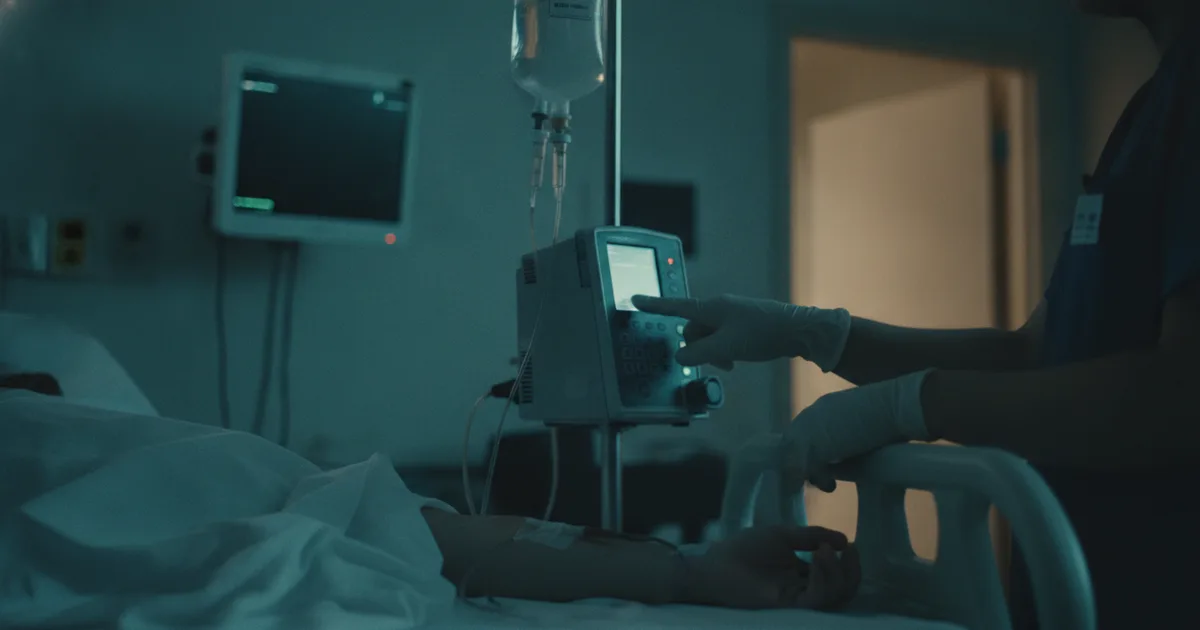
How to apply the 2023 US and Canadian acetaminophen consensus in the ED: when acetylcysteine starts before the level, what makes an ingestion high risk, the minimum dose, and the stopping criteria that replace the 21-hour clock.
A 31-year-old warehouse worker arrives at 0400 with her roommate, who found an empty bottle that had held about 60 extra-strength 500 mg acetaminophen tablets. She says she swallowed them at 2100. She weighs 68 kg, has vomited once, and looks well. The lab says an acetaminophen level will take about 90 minutes.
Bottom line: by her history this is 30 g, about 440 mg/kg, seven hours ago, so acetylcysteine starts now, before the level, and the poison center hears about a high-risk ingestion tonight. The infusion ends when the 2023 stopping criteria are met, not when a bag runs dry.
What the 2023 Consensus Changed
Four North American toxicology societies (America's Poison Centers, the American Academy of Clinical Toxicology, the American College of Medical Toxicology, and the Canadian Association of Poison Control Centers) convened 21 panelists and used a modified Delphi method to write the first US and Canadian consensus on acetaminophen poisoning, published in 2023 [1]. It remains the current North American guidance. Its 2025 companion covers out-of-hospital triage, not ED treatment [2].
An acute ingestion is any ingestion period shorter than 24 hours, whatever the pattern of pills. A repeated supratherapeutic ingestion spans more than 24 hours [1]. The nomogram applies only to acute ingestions, and only to a level drawn 4 to 24 hours after the ingestion began. A level drawn before 4 hours cannot place the patient on it [1].
The revised nomogram carries two lines. The treatment line starts at 150 µg/mL at 4 hours, 25% below the original 200 line. The high-risk line starts at 300 µg/mL at 4 hours [1]. A level at or above the treatment line means acetylcysteine.
The history decides which pathway applies. The consensus is blunt: if in doubt, treat the history as unreliable, follow the unknown-time pathway, and give acetylcysteine [1]. A staggered ingestion "over the evening" with a known start inside 24 hours is still acute: plot it from the first pills [1]. Only the patient who cannot say when she started, or whose story keeps changing, goes to the unknown-time pathway.
Start Acetylcysteine Before the Level Returns
When the reported dose is more than 200 mg/kg or more than 10 g, and waiting for the level would start treatment more than 8 hours after ingestion, acetylcysteine goes in before the result [1]. Our patient met both conditions at the door. If the level then falls below the treatment line and the history is reliable, acetylcysteine is not indicated [1].
Single-dose activated charcoal should be considered for an acute ingestion of a potentially liver-toxic amount when the airway is protected: 50 to 100 g in adults, 25 to 50 g in children [1]. The consensus treats use beyond 4 hours as the exception, reserved for a high-risk ingestion or an extended-release product with ongoing absorption [1]. In the ATOM-2 cohort of 200 ingestions of 40 g or more, patients who received charcoal within 4 hours had lower acetaminophen levels relative to the nomogram line [3].
Under the 2025 triage consensus, poison centers refer an acute ingestion of 200 mg/kg or 10 g (whichever is less) to the ED, with lower daily thresholds for ingestions spread over more than 24 hours [2].
High-Risk Ingestions: 30 Grams or the 300 Line
The consensus replaced "massive ingestion" with "high-risk ingestion": at least 30 g, or a level above the 300 line [1]. Our patient qualifies on history alone.
Here the panel held back on purpose. It found the literature insufficient to recommend a specific acetylcysteine dose for high-risk ingestions and advised that an increased dose may be warranted in consultation with a poison center or clinical toxicologist [1].
The best data behind a higher dose are observational. In ATOM-2, 79 patients had a level at least twice the nomogram line, and 43 received an increased dose in the first 21 hours, most often a doubled final bag (200 mg/kg over 16 hours instead of 100). The increased dose was associated with less hepatotoxicity (odds ratio 0.27, 95% CI 0.08 to 0.94), and the estimate held after adjustment for time to acetylcysteine and the level ratio [3]. Fourteen percent of the full cohort still developed hepatotoxicity, including 6 patients treated within 8 hours [3]. Early treatment does not make a 40 g ingestion safe.
The consensus recommends hemodialysis together with acetylcysteine for a level of 900 µg/mL or higher with acidosis or altered consciousness [1]. EXTRIP uses the same 900 µg/mL threshold for a patient already on acetylcysteine but ties it to signs of mitochondrial dysfunction, described as early altered mental status and severe metabolic acidosis [4]. During dialysis, IV acetylcysteine runs at no less than 12.5 mg/kg per hour [1]. On fomepizole, the panel found the data too thin for a standard recommendation and sends those cases to the poison center [1].
Dose Over Regimen
The consensus did not choose between three-bag, two-bag, and one-bag protocols. It recommends a minimum adequate dose instead of a specific regimen: at least 300 mg/kg, oral or IV, over the first 20 to 24 hours, with a 150 mg/kg loading dose infused over at least 1 hour [1]. Dosing weight is capped at 100 kg [1].
Shorter regimens have trial support outside North America. In the SNAP trial (3 UK hospitals, 222 patients), a 12-hour modified regimen cut vomiting, retching, or rescue antiemetic use at 2 hours from 71 of 109 to 39 of 108, and severe anaphylactoid reactions from 31 to 5, with no difference in a 50% ALT rise. The trial was not powered for non-inferiority [5]. The Australian SARPO trial (204 patients, ingestions of 30 g or less, presentation within 8 hours) found a 12-hour regimen of 200 mg/kg over 4 hours then 50 mg/kg over 8 hours non-inferior to the 20-hour two-bag regimen for change in ALT at 24 hours. Hypersensitivity reactions were similar (8% vs 10%), and gastrointestinal effects were common in both arms (73% vs 65%) [6]. The SARPO authors state that the shorter regimen cannot be extended to high-risk ingestions, including massive and staggered ones, without further study [6].
Two safety points belong in the order set. A prior anaphylactoid reaction does not contraindicate acetylcysteine; adjust the rate or route instead [1]. A one-bag, two-step protocol depends on a nurse or pump cutting the rate tenfold after the load. When that step fails, the patient receives an acetylcysteine overdose, which can cause cerebral edema, seizures, and death [7].
Stop by Criteria, Not by the Clock
One error the panel named is running acetylcysteine for 20 or 21 hours and stopping without reassessment [1]. Some patients can still carry dangerous acetaminophen concentrations when the first course ends [1]. Treatment continues until stopping criteria are met [1]:
- Acetaminophen concentration below 10 µg/mL.
- INR below 2.
- AST and ALT normal, or, if elevated, down 25% to 50% from peak.
- The patient is clinically well.
Draw those labs before the last bag finishes so the decision is ready when it ends. At change of shift, an infusion with a pending stop check is an open order, and it belongs in the handoff.
Delayed absorption changes the first level too. With an extended-release product, or with an anticholinergic or opioid coingestant, a level drawn 4 to 12 hours after ingestion that is above 10 µg/mL but below the treatment line needs a repeat 4 to 6 hours after the first [1]. Repeated supratherapeutic ingestion uses its own triggers because the nomogram does not apply: treat when the level is above 20 µg/mL or AST or ALT is abnormal [1]. A late, staggered, high-risk presentation is exactly the kind of high-risk, low-frequency case worth rehearsing before it arrives.
Key Takeaways
- Start acetylcysteine before the level when the dose is over 200 mg/kg or 10 g and waiting would push treatment past 8 hours.
- At least 30 g, or a level above the 300 line, is a high-risk ingestion: call the poison center about an increased dose while the first bag runs.
- Any regimen is acceptable if it delivers at least 300 mg/kg over 20 to 24 hours, loads over at least 1 hour, and caps dosing weight at 100 kg.
- Stop only when acetaminophen is below 10 µg/mL, INR is below 2, transaminases are normal or down 25% to 50% from peak, and the patient is well.
FAQ
When should acetylcysteine be started before the acetaminophen level is back?
Start it when the reported ingestion is more than 200 mg/kg or more than 10 g and waiting for the level would delay treatment beyond 8 hours after ingestion [1]. If the history is unreliable or the time is unknown, the consensus advises treating rather than waiting [1].
How long should IV acetylcysteine run for acetaminophen overdose?
Until stopping criteria are met [1]. A fixed 20- or 21-hour course that ends without reassessment is the error the panel named. The patient needs an acetaminophen level below 10 µg/mL, an INR below 2, transaminases normal or down 25% to 50% from peak, and a clinically well appearance.
What counts as a high-risk acetaminophen ingestion?
The 2023 consensus defines it as an ingestion of at least 30 g or a level above the 300 line on the revised nomogram [1]. The panel did not set a specific higher acetylcysteine dose. It advises deciding on an increased dose with a poison center or clinical toxicologist [1].
Dr. Chet's Take
I have practiced emergency medicine for more than 25 years at a Level I academic trauma center, and I also serve as a TelEmergency medical director, so I think about this poisoning in both a large academic ED and the small rural emergency departments on the telemedicine link. The article gets the central point right. Most of the harm in this poisoning that worries me is preventable: the antidote started late, stopped early, or ran at the wrong rate. The consensus gave us two numbers worth memorizing and a clock worth respecting. My addition is about the history. The time of ingestion is a clinical finding, and it deserves the same scrutiny as a lab value. Write down who gave it, how they know, and whether the patient's story changed. A time that rests on one sentence from a frightened patient is an unknown time.
That being said, I think the consensus leaves the hardest work to the system rather than the physician. A minimum dose instead of a named regimen respects the evidence, but it puts the regimen choice on every pharmacy committee, and every choice carries its own failure mode. The honest answer is that nobody in your department will remember the high-risk line at 0400 unless the order set remembers it for them. In a small hospital on a telemedicine link, with one nurse covering several beds and no toxicologist in the building, the poison center call and the pump programming are often the only safety net. Build the stop check, the repeat level, and the toxicology call into the order set, and stop relying on memory. A checklist does not get tired at hour 20.
If you are the attending, write the ingestion time and its source in your note, and say which pathway you chose and why. Read the pump settings yourself before you sign out, and tell the admitting team which stopping criteria are still unmet. Do not let the psychiatric evaluation clock start the patient toward discharge until the stopping criteria are documented as met. If you are in a small hospital with a telemedicine link, call the poison center before you make the transfer decision, not after. Send the ingestion time, its source, the infusion start time, and the current bag with the patient, so the receiving team does not have to rebuild the clock from a phone call. An overdose patient is medically cleared when the labs say so.
— Chester Shermer, MD, FACEP | Emergency Medicine, 25+ Years Clinical Experience | State Surgeon
Continue Your Training
If you're an emergency physician (or any clinician treating patients daily) trying to understand how AI will actually impact your clinical practice — not just the hype — I put together a free practical guide. You can download the AI in EM Survival Guide here.
Browse All Courses at Global MedOps Command
Relevant Reading on Global MedOps Command:
How to Avoid Becoming an AI Casualty — Dr. Shermer's guide to navigating AI tools in clinical and operational settings without compromising judgment or patient outcomes.
Emergency Department Efficiency Playbook — Practical systems for throughput, triage optimization, and operational efficiency.
Read more from Dr. Shermer on Medium
Connect with Dr. Shermer: LinkedIn — Chester "Chet" Shermer, MD, FACEP.
References
- Dart RC, Mullins ME, Matoushek T, et al. Management of acetaminophen poisoning in the US and Canada: a consensus statement. JAMA Netw Open. 2023;6(8):e2327739. PubMed 37552484
- Fox EJ, Dalton AM, Mullins ME, et al. Out-of-hospital assessment and triage of paracetamol (acetaminophen) exposure in the United States and Canada: a consensus guideline. Clin Toxicol (Phila). 2025;63(5):348-352. PubMed 40047505
- Chiew AL, Isbister GK, Kirby KA, et al. Massive paracetamol overdose: an observational study of the effect of activated charcoal and increased acetylcysteine dose (ATOM-2). Clin Toxicol (Phila). 2017;55(10):1055-1065. PubMed 28644687
- Gosselin S, Juurlink DN, Kielstein JT, et al. Extracorporeal treatment for acetaminophen poisoning: recommendations from the EXTRIP workgroup. Clin Toxicol (Phila). 2014;52(8):856-867. PubMed 25133498
- Bateman DN, Dear JW, Thanacoody HK, et al. Reduction of adverse effects from intravenous acetylcysteine treatment for paracetamol poisoning: a randomised controlled trial. Lancet. 2014;383(9918):697-704. PubMed 24290406
- Isbister G, Chiew A, Buckley N, et al. A non-inferiority randomised controlled trial of a shorter acetylcysteine regimen for paracetamol overdose: the SARPO trial. J Hepatol. 2025;83(4):881-887. PubMed 40414507
- Tenenbein M. We need a standardized North American acetylcysteine dosing regimen for the treatment of paracetamol (acetaminophen) poisoning. Clin Toxicol (Phila). 2026;64(1):1-4. PubMed 41608767
Related simulation training: Books by Dr. Shermer